In the ever-evolving world of supply chain management, the necessity for resilient networks that can adapt in real-time has become increasingly apparent.
Recent global events have underscored the importance of agility and flexibility within supply chains to handle disruptions efficiently.
Progressive companies are now focusing on building resilient supply chains that are capable of real-time adaptation, ensuring minimal disruption to operations.
An exemplary case of this is the response of Amazon during the COVID-19 pandemic, where the company successfully managed to meet an unprecedented surge in demand.
By leveraging advanced technologies and strategic planning, Amazon's supply chain was able to adapt to changing consumer needs instantly.
The key to real-time adaptation lies in the integration of advanced technologies such as IoT, AI, and blockchain which enable visibility across the supply chain.
These technologies facilitate instant information sharing, thus allowing companies to make data-driven decisions swiftly.
Moreover, the implementation of predictive analytics helps identify potential bottlenecks before they become critical issues.
Another noteworthy example is the use of blockchain by IBM to enhance transparency and traceability within supply chains.
By employing blockchain technology, companies like IBM ensure secure and real-time tracking of shipments, stemming fraud, and enhancing consumer trust.
As industries worldwide grapple with various logistical challenges, the trend of embracing resilient networks continues to gain traction.
Companies investing in these adaptive networks are not only better equipped to face unforeseeable disruptions but also benefit from increased efficiency and reduced operational costs.
In today’s competitive landscape, maintaining a resilient supply chain is paramount for business continuity.
As more firms recognize this and implement innovative strategies, the future of supply chain management looks promising, paving the way for robust and dynamic networks poised for any challenge.
Adapting Supply Chains in Real-Time: The Emerging Trend of Resilient Networks Featured
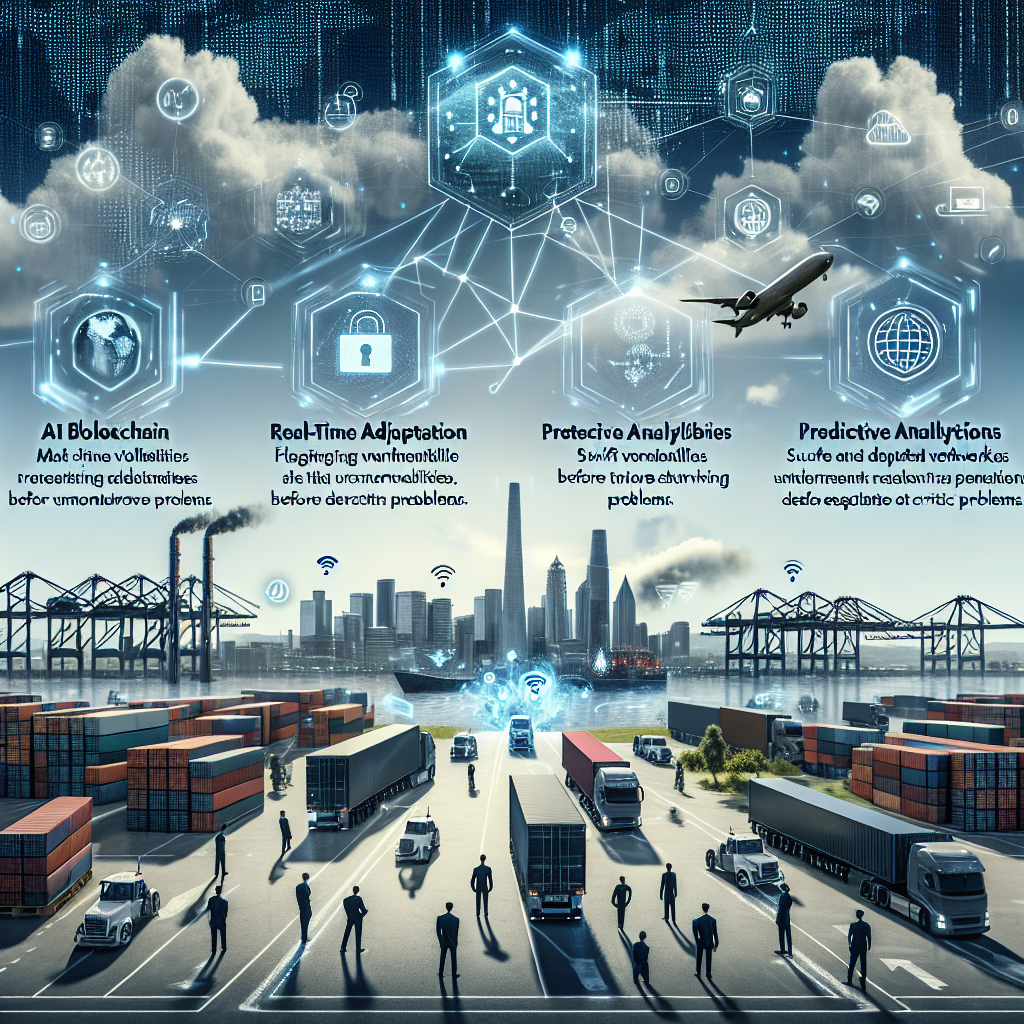 Exploring the trend of building resilient supply chains that adapt in real-time, leveraging technologies like IoT, AI, and blockchain to enhance efficiency.

Latest from SupplyChain Tech News
- Navigating Technological Advancements in Supply Chain Management
- Innovations in Supply Chain Management: Real-Time Tracking & Transparency
- Revolutionizing Transportation Management through AI: A Game Changer in Logistics
- Revolutionizing Supply Chain with AI: A Real Time Insight
- Navigating Supply Chain Challenges amidst Global Disruptions