In recent days, the concept of automated warehouses has gained significant attention as they continue to transform the supply chain landscape. Major industry players are increasingly investing in state-of-the-art technology to streamline operations, reduce costs, and enhance efficiency.
Automated warehouses employ robotics, artificial intelligence, and IoT devices to handle a myriad of tasks traditionally performed by human labor. This includes inventory management, picking and packing, and order sorting. The potential for these technologies to revolutionize the industry is evident as more companies embrace these innovations to stay competitive.
Walmart, a leader in retail logistics, has been at the forefront of this shift. By implementing automated processes in their fulfillment centers, they have reduced the time from order to shipment, accommodating the growing demand for faster delivery. Additionally, the reduction of errors has led to improved customer satisfaction.
Amazon, another behemoth in e-commerce, has been utilizing robotics extensively. Their Kiva robots, introduced a few years ago, have set benchmarks for efficiency. By optimizing storage and retrieval, they have drastically reduced the amount of time products spend in the fulfillment process.
The integration of these technologies also brings environmental benefits. With optimized routes and reduced energy usage, automated warehouses contribute to a sustainable logistics model, aligning with the global push towards greener practices.
However, with the rise of automation, there are concerns about the implications for the workforce. While technology creates jobs in tech development and maintenance, it simultaneously poses a threat to traditional roles in warehousing.
Moving forward, companies need to balance technological advancements with workforce considerations to ensure that automation complements rather than displaces the human workforce. Training programs and educational initiatives will be crucial for equipping employees with the skills needed in this new era of logistics.
The landscape of supply chains is changing rapidly. As technology continues to evolve, businesses must adapt to harness new efficiencies while being mindful of their workforce's needs.
The Rise of Automated Warehouses: Transforming Supply Chains Featured
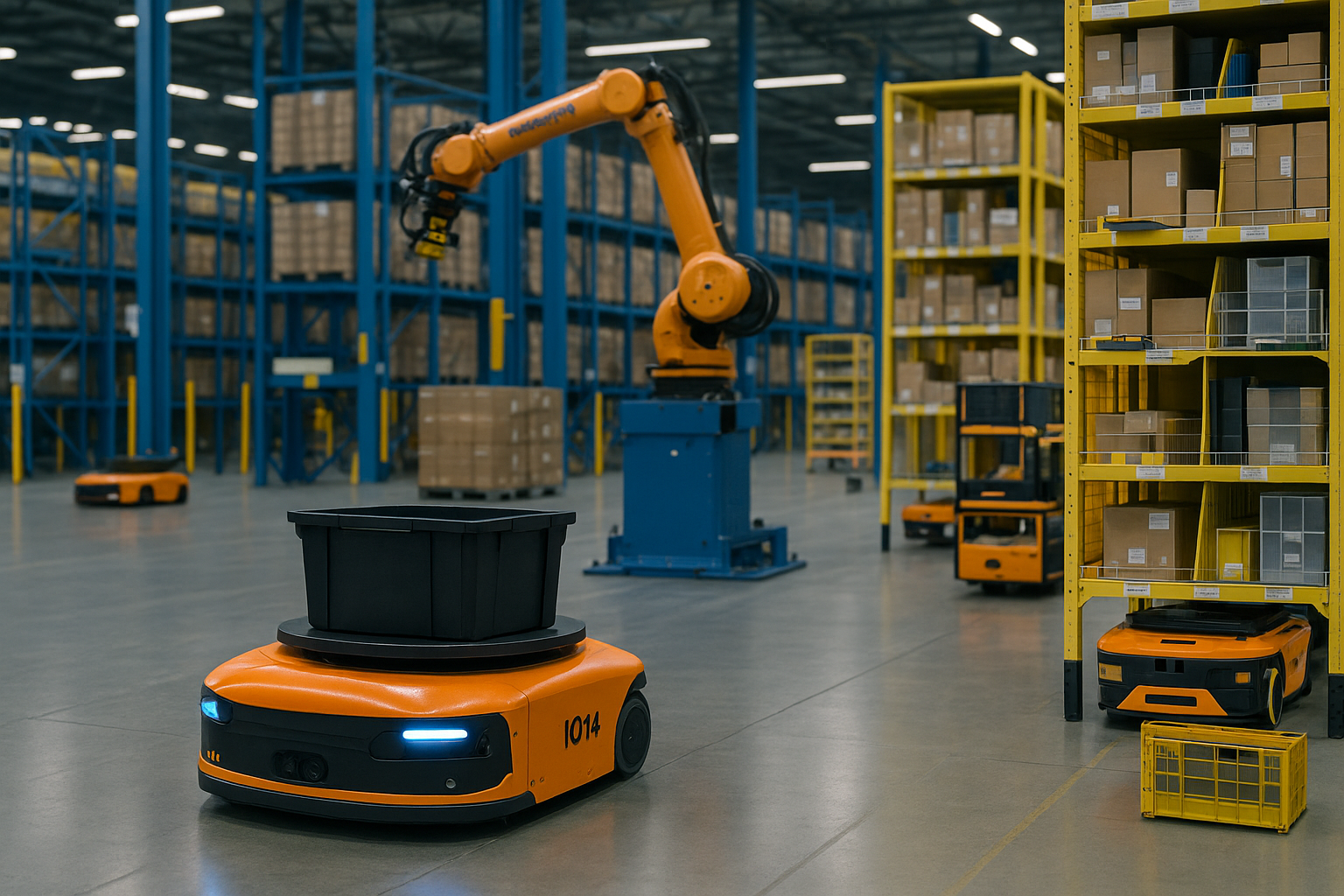 Explore the transformative impact of automated warehouses on supply chains, highlighting advancements by Walmart and Amazon in robotics and AI to enhance efficiency and sustainability.
