

The modern supply chain is increasingly becoming a complex web that intertwines physical operations and digital technologies. As businesses strive to adapt to this complexity, many are turning towards a hybrid supply chain model, blending traditional logistics with cutting-edge technology-driven processes.
Advanced analytics plays a critical role in managing this hybrid supply chain. By leveraging real-time data, companies can gain insights that anticipate market trends, optimize resource allocation, and enhance decision-making.
One real-world example of this is seen in multinational corporations like Amazon, where data analytics are used to refine logistics, from warehouse management to delivery routes. By integrating machine learning algorithms, these companies can predict demand fluctuations and adjust their operations accordingly.
Recently, firms like Deloitte and KPMG have reported a significant increase in companies seeking consultancy services for hybrid supply chain models. This trend illustrates the growing importance of advanced analytics to maintain competitive advantage.
Moreover, the recent surge in e-commerce and globalization has highlighted the need for a resilient and responsive supply chain. Intuitive dashboards and custom analytics platforms are becoming staples in the toolkit of supply chain managers who seek to streamline operations and reduce costs effectively.
To prepare for inevitable disruptions, businesses must continue to embrace hybrid systems. The investment in advanced analytics not only enhances operational efficiency but also ensures that companies are well-positioned to adapt to changing global dynamics.
Estimated reading time: 1 minute, 13 seconds
Navigating the Hybrid Supply Chain with Advanced Analytics Featured
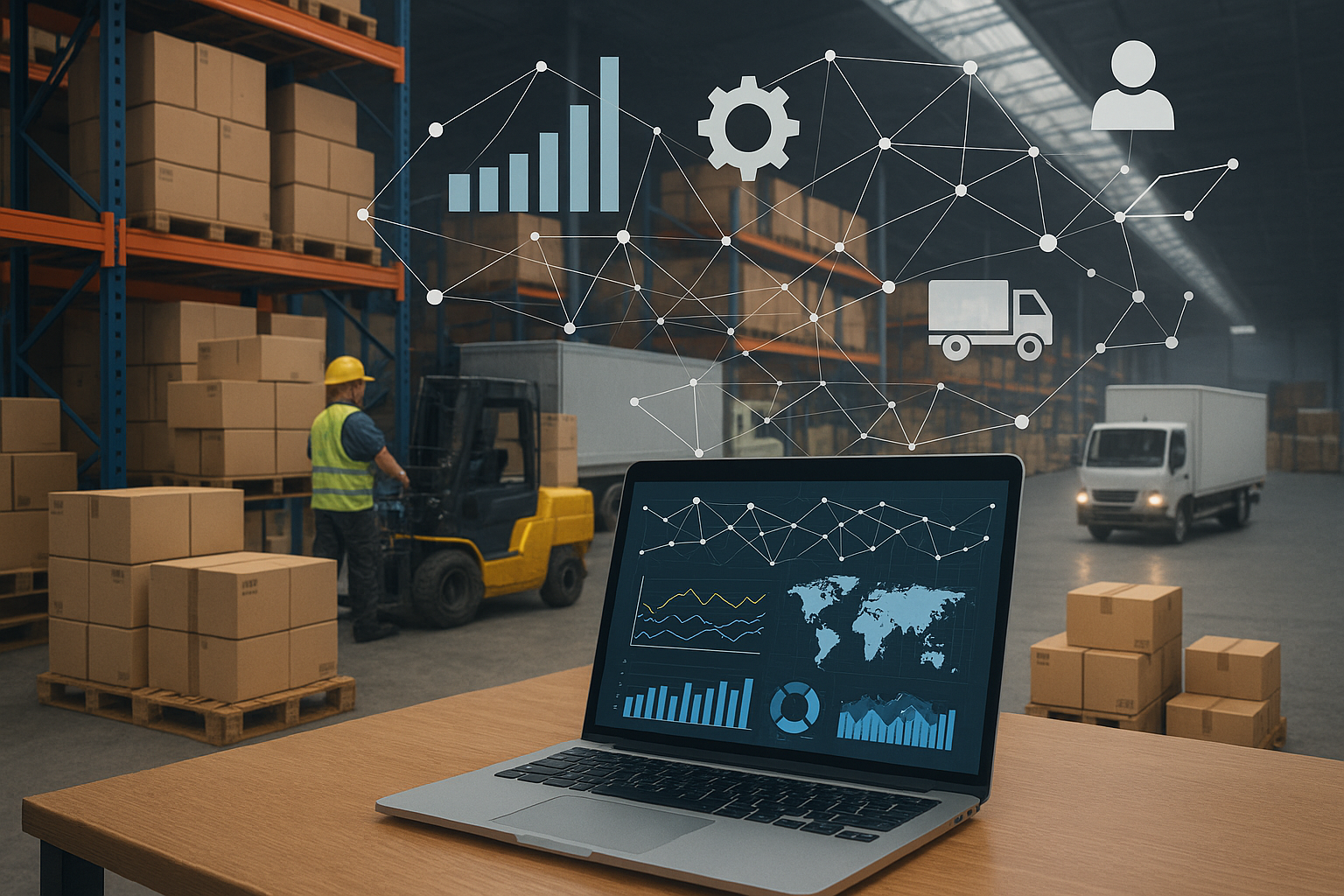 Explore how advanced analytics is reshaping the hybrid supply chain, offering insights into trends, logistics optimization, and resilience.
Latest from SupplyChain Tech News
- The Rise of Autonomous Drones in Supply Chain Technology
- The Impact of AI on Supply Chain Management: Shaping the Future
- Blockchain's Growing Impact on Supply Chain Technology
- Harnessing AI in Supply Chain Technology for Competitive Advantage
- The Digital Transformation of Supply Chains: A New Era of Efficiency
Most Read
-

-
Feb 17 2012
-
Written by Scott Koegler
 ec-bp.com eCommerce Best Practices for the Supply Chainec-bp was established…
-
-

-
Jul 18 2017
-
Written by Super User
Add us to your Safe Sender list: We want to…
-
-
-
Feb 13 2019
-
Written by Scott Koegler
Every organization that wants to organize and manage their supply…
-
-
-
Feb 13 2013
-
Written by Scott Koegler
EDI Software and Services Providers / EDI Directory This table…
-