

In the constantly evolving world of supply chains, integration is often the game-changer. As technology advances, businesses are increasingly recognizing the need for robust supply chain integration to optimize operations and maintain a competitive edge.
Recent trends highlight the growing importance of seamless integration technologies. Advanced solutions are designed not just to connect disparate systems but to harmonize them, transforming the supply chain into a more streamlined and responsive entity. Unlike traditional silos, today’s integration strategies focus on real-time data flow across all points in the supply chain network.
One of the most significant advancements in this field is the use of cloud-based platforms. Cloud solutions offer scalable resources and real-time data visibility, allowing different partners to access critical information instantaneously. A real-world example can be seen in the efforts of companies like Amazon, where cloud infrastructure plays a pivotal role in managing vast supply chain networks effectively.
Another front-runner in current trends is the application of IoT (Internet of Things) in supply chain integration. IoT devices offer granular data collection, providing unmatched insights into every phase of logistics, from manufacturing to delivery. These insights are enabling businesses to anticipate challenges and respond with agility, ultimately reducing downtime and enhancing efficiency.
However, despite these advancements, integration also brings challenges. One notable hurdle is ensuring data security across interconnected systems. As integration increases, so does the vulnerability to cyber threats. For instance, the 2013 Target data breach underscores the importance of stringent data security measures. The breach was significantly exacerbated due to weak links in their supply chain network. Therefore, integrating systems securely while establishing robust data protection protocols remains a top priority.
Moreover, integrative efforts require strategic planning and a clear understanding of business needs. Companies are encouraged to conduct thorough evaluations of their processes before selecting integration technologies. Engaging with expert consultants can provide valuable insights, considering their exposure to a range of industries and integration scenarios.
In conclusion, as we explore the latest developments in supply chain integration, it’s clear that businesses must adapt to stay relevant. Emphasizing integration not only as a tool for operational efficiency but also as a strategic advantage will allow companies to thrive in today's competitive market.
Estimated reading time: 1 minute, 55 seconds
Navigating the Complex Landscape of Supply Chain Integrations Featured
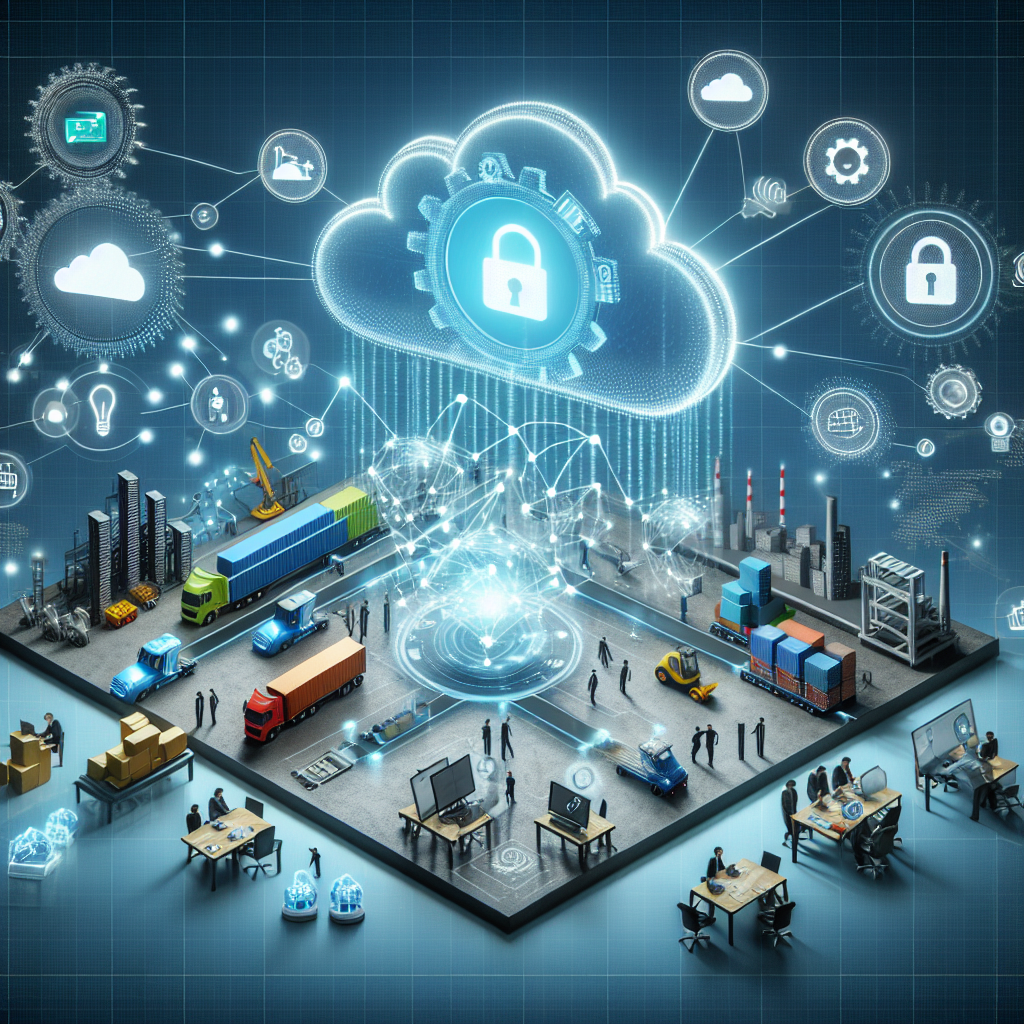 Explore the latest developments in supply chain integration, highlighting cloud platforms and IoT. Learn strategies to address integration challenges securely.
Latest from SupplyChain Tech News
- Revolutionizing Transportation Management through AI: A Game Changer in Logistics
- Revolutionizing Supply Chain with AI: A Real Time Insight
- Navigating Supply Chain Challenges amidst Global Disruptions
- The Rise of AI-Powered Demand Forecasting in Supply Chain Management
- The Rise of Autonomous Delivery Robots: A Technological Leap in Supply Chain Management
Most Read
-

-
Feb 17 2012
-
Written by Scott Koegler
 ec-bp.com eCommerce Best Practices for the Supply Chainec-bp was established…
-
-

-
Jul 18 2017
-
Written by Super User
Add us to your Safe Sender list: We want to…
-
-
-
Feb 13 2019
-
Written by Scott Koegler
Every organization that wants to organize and manage their supply…
-
-
-
Feb 13 2013
-
Written by Scott Koegler
EDI Software and Services Providers / EDI Directory This table…
-