

In recent times, the adoption of Artificial Intelligence (AI) has significantly transformed the landscape of supply chain management. As businesses strive for efficiency, accuracy, and resilience, the infusion of AI technologies is paving the way for smarter operations and enhanced decision-making processes.
One of the most notable trends is the use of AI in predictive analytics. By leveraging large data sets and machine learning algorithms, companies can forecast demand more accurately, thus optimizing inventory levels. This not only reduces costs associated with overstocking or stockouts but also enhances customer satisfaction by ensuring product availability.
Additionally, AI-driven automation is taking center stage in warehousing and logistics. Robots equipped with AI capabilities are now able to manage tasks that were once labor-intensive, such as picking, packing, and sorting. This shift not only improves operational efficiency but also reduces human error and operational costs.
A real-world example of AI success in the supply chain is its incorporation by retail giants for inventory management. With AI's help, these companies can now analyze buying patterns and predict shopping trends, allowing them to adjust inventory levels accordingly. This strategic approach has led to improved sales consistency and reduced waste.
Despite the advantages, the integration of AI into supply chains is not without challenges. Data security, the need for skilled personnel to manage AI systems, and the high costs of technology implementation are some of the hurdles that organizations face.
Nevertheless, the trend towards AI adoption in supply chain management continues to grow as businesses recognize the potential for increased efficiency and the opportunity to remain competitive in a dynamic market.
Estimated reading time: 1 minute, 26 seconds
The Impact of AI on Modern Supply Chains Featured
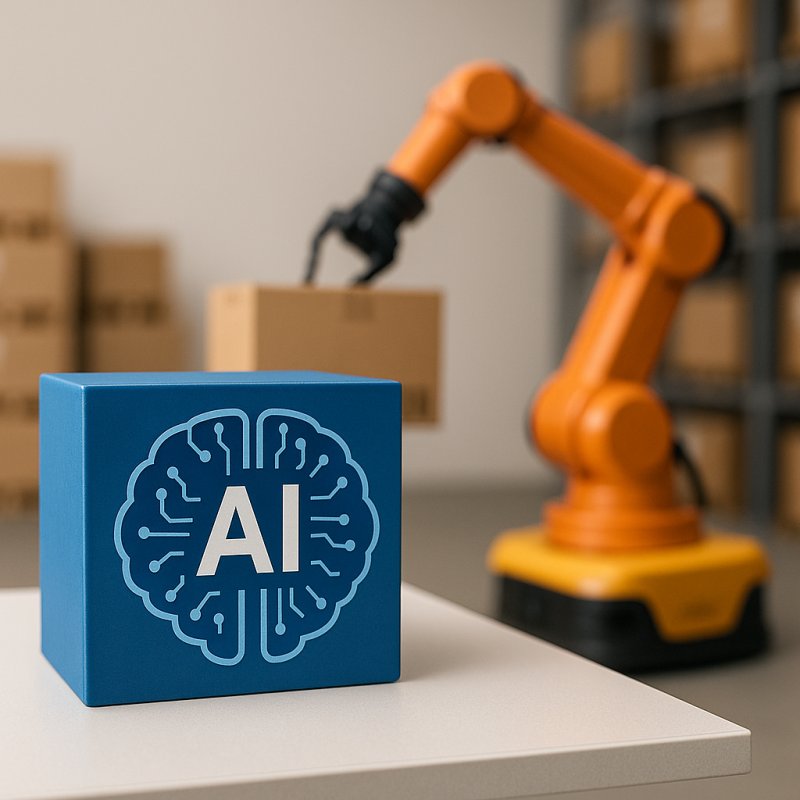 Explore how AI is revolutionizing supply chains by enhancing predictive analytics, automation, and efficiency, while addressing challenges related to data security and technology implementation.
Latest from SupplyChain Tech News
- Revolutionizing Supply Chain with Digital Twins
- Navigating Supply Chain Disruptions amid Labor Strikes
- Navigating the Current Supply Chain Challenges: A Focus on Management
- Navigating Technological Advancements in Supply Chain Management
- Innovations in Supply Chain Management: Real-Time Tracking & Transparency
Most Read
-

-
Feb 17 2012
-
Written by Scott Koegler
 ec-bp.com eCommerce Best Practices for the Supply Chainec-bp was established…
-
-

-
Jul 18 2017
-
Written by Super User
Add us to your Safe Sender list: We want to…
-
-
-
Feb 13 2019
-
Written by Scott Koegler
Every organization that wants to organize and manage their supply…
-
-
-
Feb 13 2013
-
Written by Scott Koegler
EDI Software and Services Providers / EDI Directory This table…
-