

In recent days, the supply chain sector has been abuzz with the transformative potential of blockchain technology. This sophisticated innovation promises to enhance transparency, security, and efficiency across all stages of the supply chain management process.
Blockchain, essentially a decentralized digital ledger, records transactions across numerous computers so that the record cannot be changed retroactively. This novel feature of immutability is what makes blockchain a game-changer for supply chain networks.
By providing an immutable record of transactions, blockchain breeds trust among stakeholders, ensuring that each part of the product's journey—from raw material sourcing to the delivery of the final product—is verifiable and transparent. This transparency is invaluable in industries where provenance and authenticity are critical. For example, in the food and beverage industry, where traceability from farm to fork is paramount, companies like Walmart have already embraced blockchain to track the provenance of their fresh produce.
Moreover, blockchain technology helps in eliminating inefficiencies such as paper-based record keeping and time-consuming reconciliation processes. By automating and digitizing transactional processes, blockchain reduces the risk of errors and fraud. Canadian mining giant, BHP Billiton, has effectively implemented blockchain to record movements in its supply chain, thereby streamlining operations and cutting down manual paperwork.
The inherent security of blockchain also mitigates risks associated with data breaches. In today’s digital age, where data security is of utmost importance, deploying blockchain technology fortifies supply chain data from unauthorized access.
Despite its potential, the transition to blockchain is not without challenges. High implementation costs and lack of standardization remain chief concerns. However, as companies grow more tech-savvy and cost structures evolve, the widespread adoption of blockchain in supply chains seems inevitable.
As the technology matures, it will undoubtedly pave the way for new applications that further integrate with IoT and AI technologies, creating even smarter supply chains. Ultimately, blockchain technology stands poised to revolutionize the future of supply chain operations.
Estimated reading time: 1 minute, 40 seconds
Revolutionizing Supply Chains with Blockchain: A Technological Breakthrough Featured
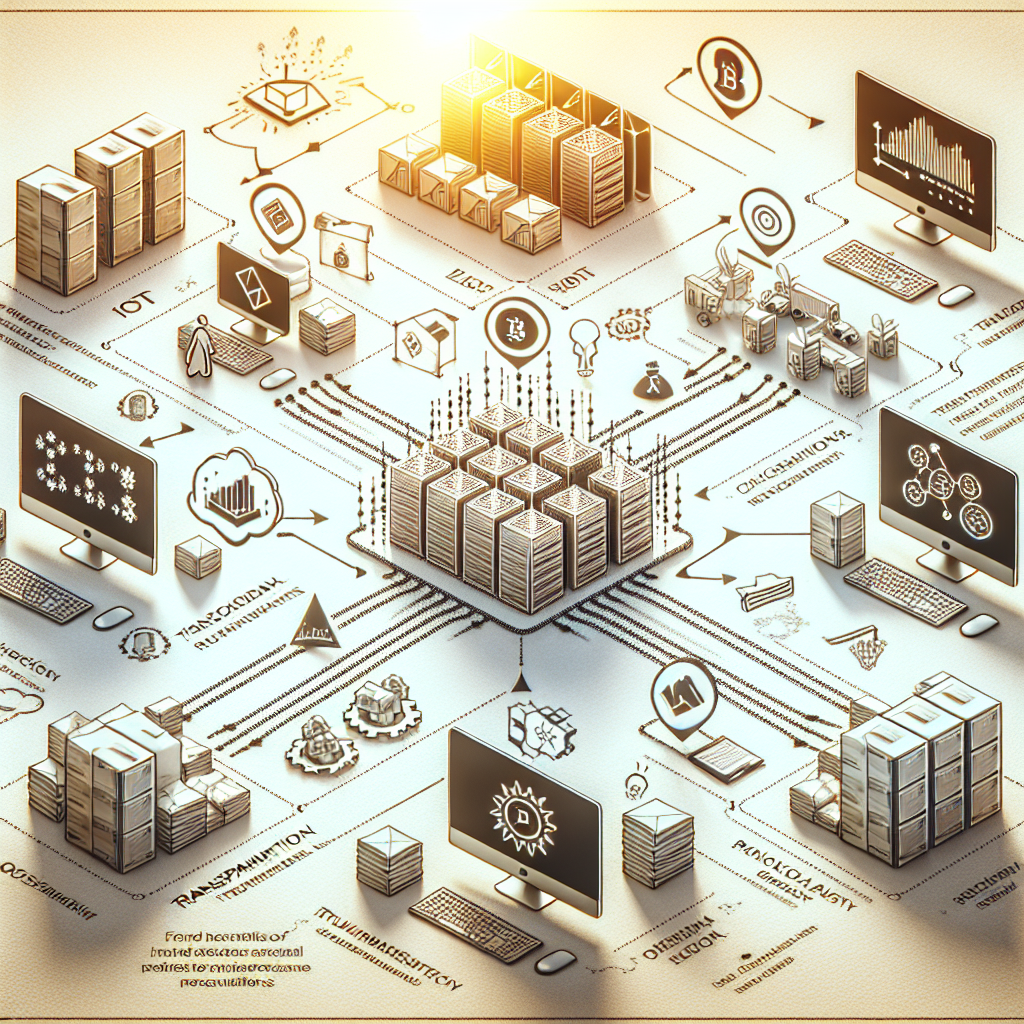 Explore how blockchain technology is transforming supply chains through improved transparency, security, and efficiency, with real-world examples from top companies.
Latest from SupplyChain Tech News
- Navigating the Hybrid Supply Chain with Advanced Analytics
- Emerging Trends in Supply Chain Sustainability
- The Growing Influence of Artificial Intelligence in Supply Chain Technology
- Revolutionizing Supply Chain Management: The Role of Blockchain Technology
- Navigating Supply Chain Resilience Amid Disruptions
Most Read
-

-
Feb 17 2012
-
Written by Scott Koegler
 ec-bp.com eCommerce Best Practices for the Supply Chainec-bp was established…
-
-

-
Jul 18 2017
-
Written by Super User
Add us to your Safe Sender list: We want to…
-
-
-
Feb 13 2019
-
Written by Scott Koegler
Every organization that wants to organize and manage their supply…
-
-
-
Feb 13 2013
-
Written by Scott Koegler
EDI Software and Services Providers / EDI Directory This table…
-