

The integration of AI-powered predictive analytics in supply chain management is revolutionizing how businesses operate. As the global market becomes increasingly complex, the importance of agility and foresight has never been more pronounced. Companies are now leveraging advanced analytics tools to anticipate market demands, optimize inventory levels, and reduce operational costs.
Predictive analytics uses historical data, algorithms, and machine learning techniques to make smart projections about future events. In the supply chain domain, this means that organizations can foresee demand fluctuations, anticipate stock shortages, and make informed procurement decisions. Leading firms, such as those I’ve collaborated with during my tenure at Deloitte and Ernst & Young, are harnessing these tools to gain a competitive edge.
For instance, a recent case study involving a major U.S. retailer highlighted how AI-driven analytics reduced their stockouts by 30% within six months. By analyzing sales patterns and external factors like economic trends and weather conditions, the retailer was able to align its inventory with consumer demands more effectively.
Moreover, the rise of IoT devices has further enhanced predictive analytics capabilities. These devices provide real-time data on inventory movement, product condition, and environmental factors, offering a richer dataset for AI systems to analyze. This synergy between IoT and predictive analytics enables a more holistic view of the supply chain, paving the way for smarter and faster decision-making.
However, while the benefits of AI in supply chains are immense, challenges remain. Data quality and integration, for example, continue to pose significant hurdles. Ensuring that different systems communicate seamlessly is crucial for the success of predictive models. Firms are investing heavily in data integration solutions and staff training to address these challenges.
As we look towards the future, it’s clear that AI and predictive analytics will play an increasingly pivotal role in supply chain management. Companies that embrace these technologies will be better positioned to adapt to the ever-changing market dynamics and drive operational efficiencies. The journey towards a fully digitized supply chain is underway, and those who capitalize on these innovations will lead the charge into a new era of supply chain excellence.
Estimated reading time: 1 minute, 50 seconds
The Rise of AI-Powered Predictive Analytics in Supply Chain Management Featured
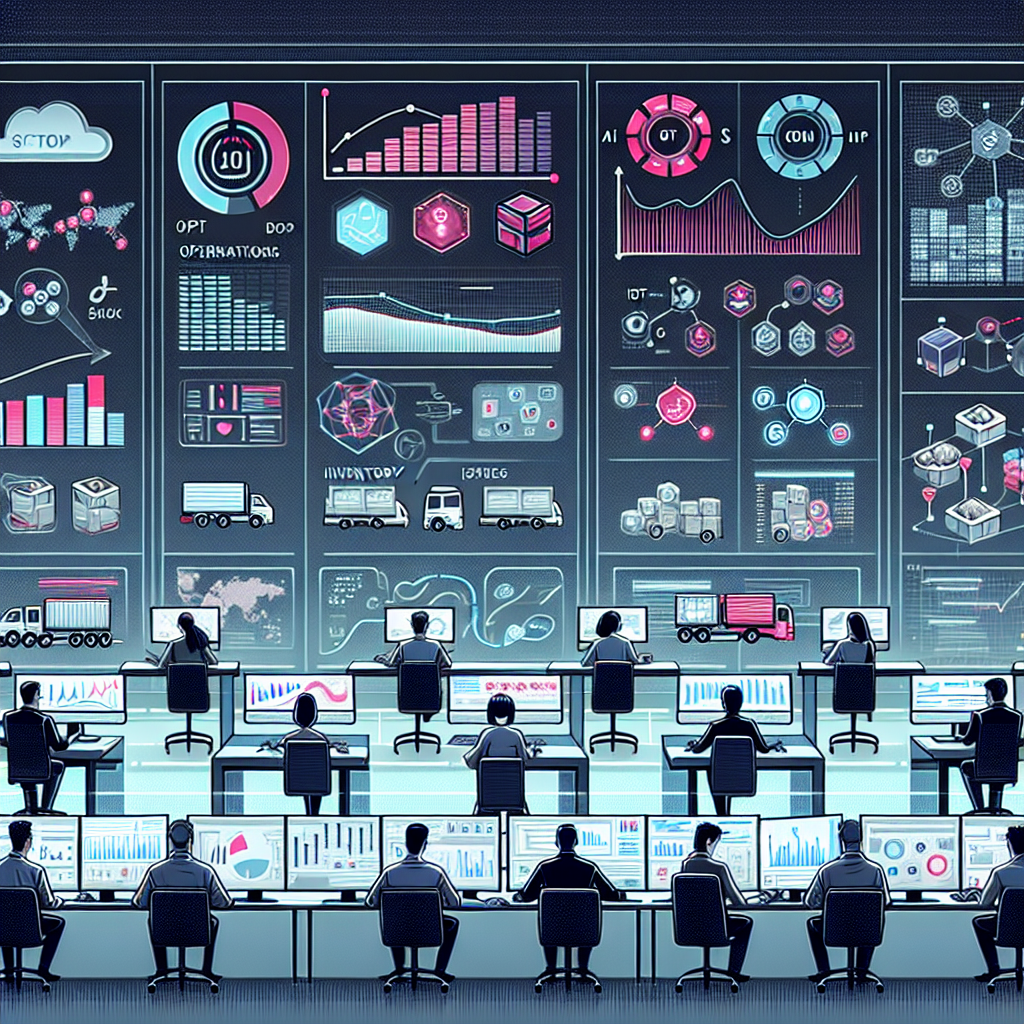 Explore how AI-powered predictive analytics is transforming supply chain management by providing data-driven insights for inventory optimization and demand forecasting.
Latest from SupplyChain Tech News
- Navigating Technological Advancements in Supply Chain Management
- Innovations in Supply Chain Management: Real-Time Tracking & Transparency
- Revolutionizing Transportation Management through AI: A Game Changer in Logistics
- Revolutionizing Supply Chain with AI: A Real Time Insight
- Navigating Supply Chain Challenges amidst Global Disruptions
Most Read
-

-
Feb 17 2012
-
Written by Scott Koegler
 ec-bp.com eCommerce Best Practices for the Supply Chainec-bp was established…
-
-

-
Jul 18 2017
-
Written by Super User
Add us to your Safe Sender list: We want to…
-
-
-
Feb 13 2019
-
Written by Scott Koegler
Every organization that wants to organize and manage their supply…
-
-
-
Feb 13 2013
-
Written by Scott Koegler
EDI Software and Services Providers / EDI Directory This table…
-