

In today’s rapidly evolving business landscape, leveraging predictive analytics within supply chain management is increasingly becoming a game-changer. As companies seek to stay competitive and efficient, integrating predictive analytics into supply chain practices is not just beneficial but crucial.
Predictive analytics involves using historical data, statistical algorithms, and machine learning techniques to identify the likelihood of future outcomes based on past data. This method is particularly powerful within supply chain management as it enhances forecasting accuracy, inventory management, and risk mitigation, thereby optimizing overall operations.
One illustrative example of successful integration of predictive analytics into supply chain management is found in the operations of major retail giants like Walmart and Amazon. These companies utilize advanced data analytics to predict consumer demand, optimize shipment routes, and manage inventory levels effectively. As a consequence, they are able to reduce costs and improve customer satisfaction significantly.
The role of predictive analytics in logistics cannot be overstated. Providing insights into demand forecasting allows companies to align their inventory levels with consumer needs more precisely. This reduces the risk of overstocking or stockouts, which can lead to financial losses or missed sales opportunities.
Additionally, predictive analytics improves risk management. By analyzing factors such as market trends, supplier reliability, and geopolitical events, companies can anticipate disruptions and proactively plan mitigation strategies. This ensures continuity of operations and minimizes potential financial and operational impacts.
Moreover, cost efficiency is another significant advantage associated with predictive analytics in supply chain management. By pinpointing inefficiencies, predicting equipment failure, or optimizing staffing schedules, companies can streamline operations, reduce waste, and ultimately enhance profit margins.
The incorporation of predictive analytics is no longer a luxury but a necessity for companies aiming for excellence in supply chain management. The future of supply chains lies in adopting innovative, data-driven approaches to outpace the competition and meet evolving market demands with precision and agility.
Estimated reading time: 1 minute, 40 seconds
Leveraging Predictive Analytics for Enhanced Supply Chain Management Featured
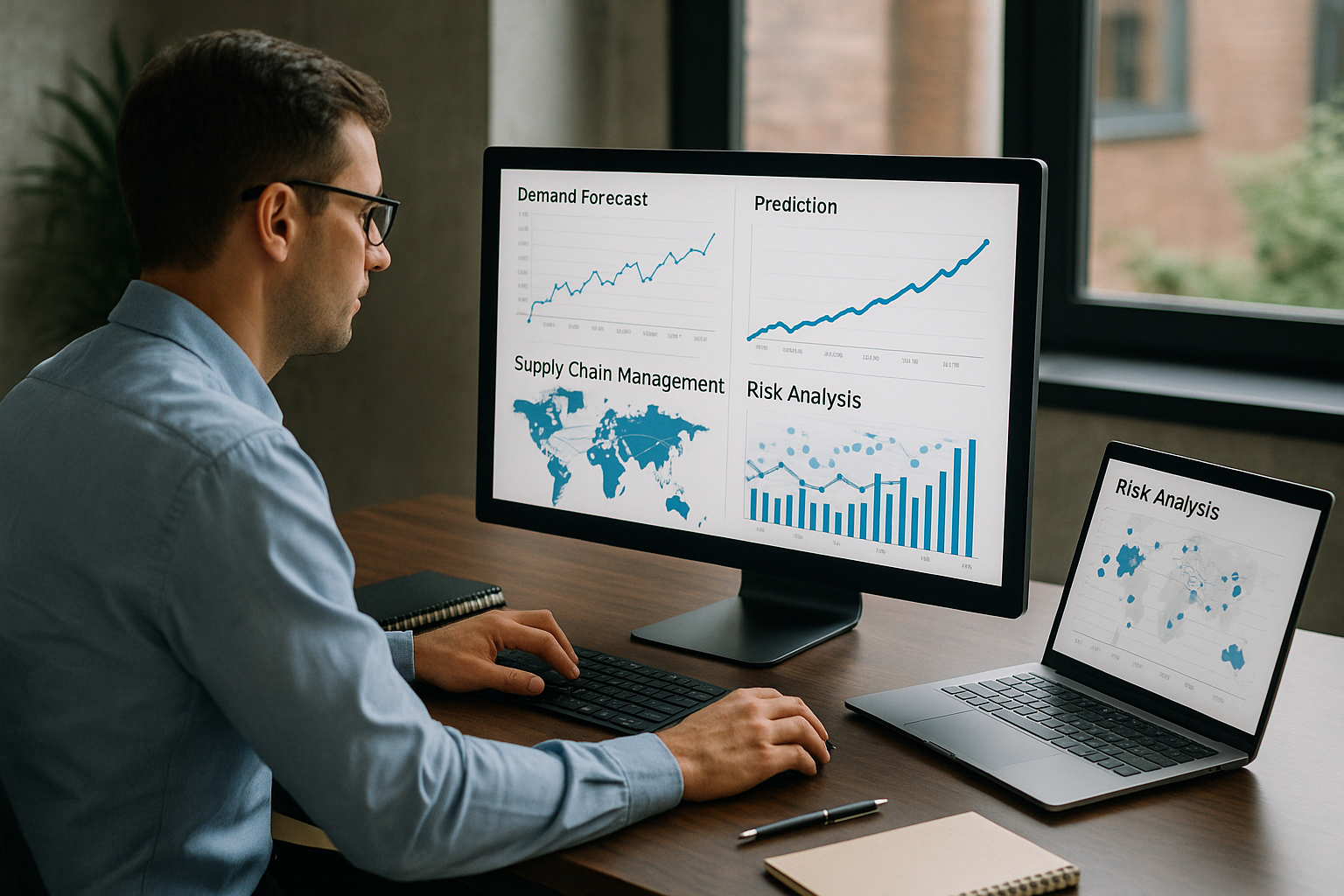 Explore how predictive analytics revolutionizes supply chain management by improving forecasting, risk management, and cost efficiency. See how major companies like Amazon utilize these technologies.
Latest from SupplyChain Tech News
- Revolutionizing Transportation Management through AI: A Game Changer in Logistics
- Revolutionizing Supply Chain with AI: A Real Time Insight
- Navigating Supply Chain Challenges amidst Global Disruptions
- The Rise of AI-Powered Demand Forecasting in Supply Chain Management
- The Rise of Autonomous Delivery Robots: A Technological Leap in Supply Chain Management
Most Read
-

-
Feb 17 2012
-
Written by Scott Koegler
 ec-bp.com eCommerce Best Practices for the Supply Chainec-bp was established…
-
-

-
Jul 18 2017
-
Written by Super User
Add us to your Safe Sender list: We want to…
-
-
-
Feb 13 2019
-
Written by Scott Koegler
Every organization that wants to organize and manage their supply…
-
-
-
Feb 13 2013
-
Written by Scott Koegler
EDI Software and Services Providers / EDI Directory This table…
-