

Estimated reading time: 1 minute, 48 seconds
Leveraging AI for Supply Chain Optimization: The Future is Now Featured
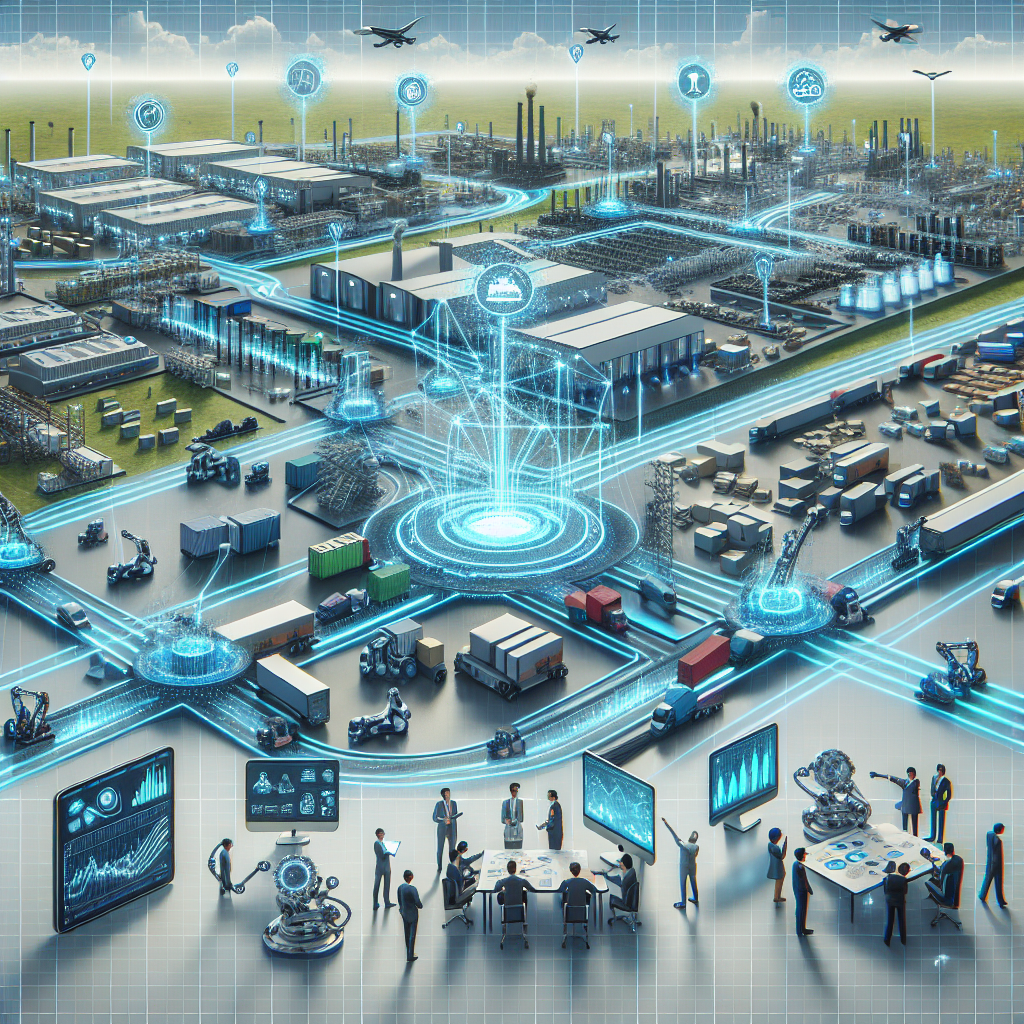 Explore how Artificial Intelligence is revolutionizing supply chain optimization, enhancing efficiency in demand forecasting, inventory management, and logistics.
The landscape of supply chain management is rapidly evolving, with technology playing a pivotal role in enhancing efficiency and competitiveness. Among these technological advancements, Artificial Intelligence (AI) serves as a transformative force, reshaping supply chain dynamics. Recent discussions in the industry highlight how AI's integration ushers in unprecedented opportunities for optimization.
AI-driven supply chain optimization refers to the use of intelligent systems to analyze vast amounts of data, predict outcomes, and automate decisions. Such capabilities address core challenges including demand forecasting, inventory management, and logistics efficiency. Leading firms like Amazon are already leveraging AI technologies to predict consumer demand with high accuracy, ensuring optimal inventory levels and reducing waste.
The integration of AI into supply chain processes brings significant benefits. For instance, AI algorithms can process historical data, identifying patterns and trends to forecast demand. This facilitates more informed production schedules and order placements. Machine Learning (ML) models can also analyze existing supply chain routes, suggesting alternative paths to evade disruptions. Companies such as DHL employ AI-driven route optimization software, minimizing delivery times and operational costs.
AI's ability to provide real-time analytics is another crucial advantage. By continuously monitoring supply chain operations, AI systems can detect anomalies or potential disruptions early. A practical case is seen in retailers using AI-powered alert systems that notify managers of stock shortages or transportation delays, enabling prompt corrective actions. It’s no surprise that more businesses are adopting AI systems, given their potential to significantly curtail operational inefficiencies and bolster customer satisfaction.
Despite its transformative benefits, the implementation of AI in supply chains is not without challenges. Initial setup costs and the need for substantial data to train AI models pose barriers for some businesses. However, the long-term savings and advantages of improved decision-making processes often justify the investment. Importantly, collaboration between technological experts and supply chain professionals is essential to harness AI's full potential.
In conclusion, AI remains instrumental in promoting a futuristic, efficient, and resilient supply chain model. As technology continues to evolve, organizations must prioritize AI integration to stay ahead in an increasingly competitive landscape.
Latest from SupplyChain Tech News
- Navigating the Hybrid Supply Chain with Advanced Analytics
- Emerging Trends in Supply Chain Sustainability
- The Growing Influence of Artificial Intelligence in Supply Chain Technology
- Revolutionizing Supply Chain Management: The Role of Blockchain Technology
- Navigating Supply Chain Resilience Amid Disruptions
Most Read
-

-
Feb 17 2012
-
Written by Scott Koegler
 ec-bp.com eCommerce Best Practices for the Supply Chainec-bp was established…
-
-

-
Jul 18 2017
-
Written by Super User
Add us to your Safe Sender list: We want to…
-
-
-
Feb 13 2019
-
Written by Scott Koegler
Every organization that wants to organize and manage their supply…
-
-
-
Feb 13 2013
-
Written by Scott Koegler
EDI Software and Services Providers / EDI Directory This table…
-